
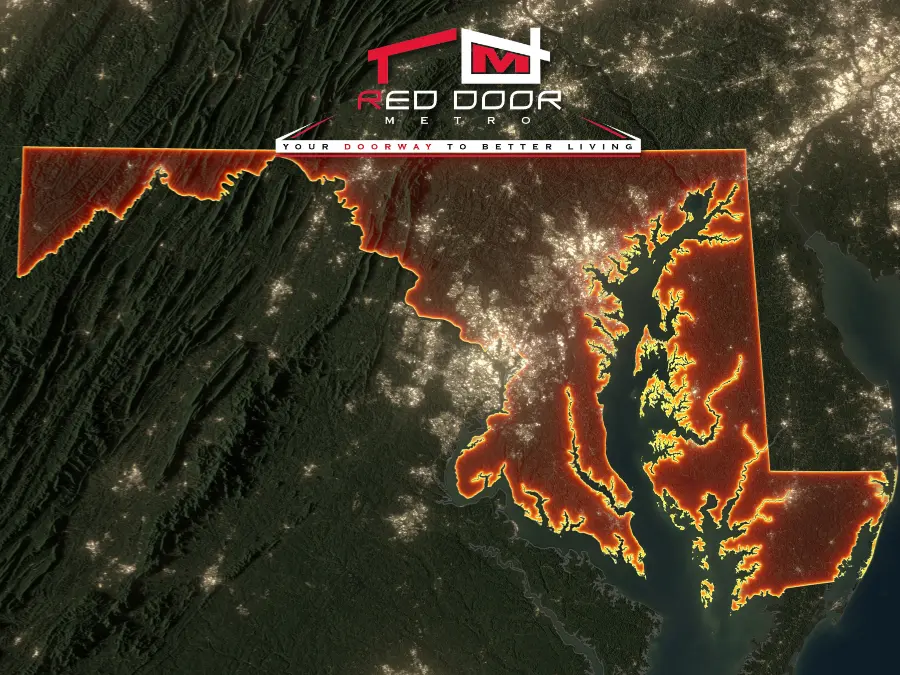
Maryland is a diverse and family-friendly state known for its strong public schools, access to major job markets, historic charm, and a high quality of life. From suburban communities near Washington, D.C. to coastal cities along the Chesapeake Bay, Maryland offers families a wide range of living options. However, choosing the right place depends on factors like housing costs, education, safety, commute times, and community amenities.
This guide explores 10 of the best places to live in Maryland for families, explaining what makes each location appealing and providing a clear breakdown of the cost of living.
1. Bethesda
Why It’s Great for Families:
Top-Rated Schools: Bethesda is part of Montgomery County Public Schools, one of the strongest school districts in Maryland. Schools like Walt Whitman High School and Bethesda Elementary are well known for academics and extracurricular programs.
Proximity to D.C.: Ideal for families working in Washington, D.C. while wanting a suburban environment.
Parks and Recreation: Families enjoy Cabin John Regional Park, Capital Crescent Trail, and neighborhood playgrounds.
Healthcare Access: Bethesda is home to major medical centers, including NIH and Walter Reed.
Cost of Living:
-
Median Home Price: ~$900,000
-
Utilities: ~$200/month
-
Childcare: $1,600–$2,000/month
2. Rockville
Why It’s Great for Families:
Strong School System: Also served by Montgomery County Public Schools, offering magnet programs and advanced coursework.
Diverse Community: Rockville is known for cultural diversity and inclusive neighborhoods.
Convenient Transit: Metro access and major highways make commuting easy.
Family Amenities: Rockville Town Square, libraries, and recreation centers provide year-round activities.
Cost of Living:
-
Median Home Price: ~$620,000
-
Utilities: ~$190/month
-
Childcare: $1,400–$1,800/month
3. Columbia
Why It’s Great for Families:
Planned Community: Columbia was designed with families in mind, featuring village centers, walking paths, and green spaces.
Excellent Schools: Part of Howard County Public Schools, one of the highest-performing districts in the state.
Outdoor Lifestyle: Over 3,500 acres of open space, lakes, and trails.
Balanced Location: Easy access to Baltimore, D.C., and Fort Meade.
Cost of Living:
-
Median Home Price: ~$520,000
-
Utilities: ~$180/month
-
Childcare: $1,200–$1,600/month
4. Ellicott City
Why It’s Great for Families:
Highly Rated Schools: Another Howard County community known for strong academics.
Historic Charm: A walkable historic downtown with family-friendly shops and restaurants.
Low Crime Rates: Considered one of the safer areas in central Maryland.
Community Feel: Seasonal events and local festivals foster neighborhood connections.
Cost of Living:
-
Median Home Price: ~$650,000
-
Utilities: ~$190/month
-
Childcare: $1,300–$1,700/month
5. Gaithersburg
Why It’s Great for Families:
Affordable for Montgomery County: More attainable housing compared to Bethesda and Potomac.
Parks and Recreation: Seneca Creek State Park offers hiking, boating, and playgrounds.
Job Access: Close to biotech and tech employers in the I-270 corridor.
Family Services: Well-funded community programs and libraries.
Cost of Living:
-
Median Home Price: ~$520,000
-
Utilities: ~$185/month
-
Childcare: $1,300–$1,600/month
6. Frederick
Why It’s Great for Families:
Historic Downtown: Museums, parks, and cultural attractions suitable for kids.
Growing Job Market: Increasing employment opportunities in healthcare, education, and logistics.
More Space: Larger homes and yards compared to suburban D.C. areas.
Community Events: Frequent festivals and family activities throughout the year.
Cost of Living:
-
Median Home Price: ~$430,000
-
Utilities: ~$175/month
-
Childcare: $1,000–$1,300/month
7. Annapolis
Why It’s Great for Families:
Coastal Lifestyle: Waterfront living and access to sailing and boating.
Strong Schools: Anne Arundel County schools offer solid academic programs.
Historic Appeal: Rich American history blended with modern family amenities.
Walkable Areas: Downtown Annapolis is pedestrian-friendly and family-oriented.
Cost of Living:
-
Median Home Price: ~$600,000
-
Utilities: ~$190/month
-
Childcare: $1,300–$1,700/month
8. Towson
Why It’s Great for Families:
Suburban Feel Near Baltimore: A quieter option with easy city access.
Good Schools: Baltimore County Public Schools offer a wide range of academic tracks.
Shopping and Dining: Towson Town Center provides family-friendly retail and entertainment.
Community Resources: Parks, youth sports, and libraries are widely available.
Cost of Living:
-
Median Home Price: ~$420,000
-
Utilities: ~$180/month
-
Childcare: $1,100–$1,400/month
9. Silver Spring
Why It’s Great for Families:
Urban-Suburban Mix: Access to D.C. amenities with suburban neighborhoods.
Public Transportation: Metro and bus lines make commuting easy.
Cultural Diversity: A wide range of cultural events, food, and community programs.
Parks Access: Close to Rock Creek Park and local recreation centers.
Cost of Living:
-
Median Home Price: ~$550,000
-
Utilities: ~$190/month
-
Childcare: $1,400–$1,800/month
10. Bowie
Why It’s Great for Families:
Affordability: One of the more budget-friendly family cities in the D.C. metro area.
Strong Community Feel: Known for quiet neighborhoods and active homeowner associations.
Good Schools: Prince George’s County schools with growing investment and improvement.
Central Location: Easy access to D.C., Annapolis, and Baltimore.
Cost of Living:
-
Median Home Price: ~$420,000
-
Utilities: ~$180/month
-
Childcare: $1,100–$1,400/month
Conclusion
Maryland offers families a wide range of living options, from high-end suburbs like Bethesda to more affordable communities like Frederick and Bowie. While areas closer to Washington, D.C. tend to have higher housing costs, they also provide excellent schools, job access, and family amenities. Families looking for more space and lower costs can find strong alternatives throughout central and western Maryland. No matter your lifestyle or budget, Maryland has a family-friendly community to match your needs.
FAQs About Living in Maryland
1. Is Maryland a good place to live?
Yes, Maryland offers strong public schools, access to major job markets, diverse communities, and a wide range of housing options, making it appealing for families, professionals, and retirees.
2. Is Maryland a good state for families?
Maryland is considered family-friendly due to its school systems, safe suburban neighborhoods, healthcare access, and recreational opportunities.
3. What is the cost of living in Maryland?
The cost of living varies by location. Areas near Washington, D.C. are more expensive, while central and western Maryland offer more affordable housing.
4. Which areas in Maryland are most affordable?
Cities like Frederick, Bowie, Towson, and parts of Prince George’s County tend to have lower housing costs compared to Montgomery and Howard counties.
5. Which counties in Maryland have the best schools?
Montgomery County and Howard County are known for strong public school systems, followed by Anne Arundel and Frederick counties.
6. Are public schools in Maryland good?
Many public schools in Maryland perform well academically, especially in suburban counties with strong funding and community involvement.
7. Is Maryland safe to live in?
Safety depends on the area. Many suburban communities have low crime rates, while some urban areas require more neighborhood-specific research.
8. What is the weather like in Maryland?
Maryland experiences four seasons, with warm summers, mild springs and falls, and cold winters with occasional snowfall.
9. Does Maryland get a lot of snow?
Snowfall varies by region. Western Maryland receives more snow, while central and southern areas experience lighter, less frequent snowfall.
10. What are the best cities to live in Maryland?
Popular cities include Bethesda, Columbia, Rockville, Ellicott City, Annapolis, and Frederick.
11. Is Maryland good for commuting?
Yes, Maryland offers access to major highways, public transit, MARC trains, and Metro lines connecting to Washington, D.C. and Baltimore.
12. How are job opportunities in Maryland?
Maryland has a strong job market in government, healthcare, biotechnology, defense, education, and technology sectors.
13. Is Maryland expensive compared to other states?
Maryland is more expensive than many southern and midwestern states but comparable to other northeastern and Mid-Atlantic states.
14. What are property taxes like in Maryland?
Property taxes vary by county. Some counties have higher rates, while others offer more moderate property tax burdens.
15. Does Maryland have state income tax?
Yes, Maryland has a state income tax along with local county taxes, with rates depending on income level and location.
16. Is Maryland tax-friendly for retirees?
Maryland offers some retirement tax benefits, including exemptions on certain pension income, but overall tax friendliness depends on income sources.
17. Is Maryland diverse?
Yes, Maryland is one of the more diverse states in the U.S., especially in areas near Washington, D.C. and Baltimore.
18. Is Maryland good for outdoor activities?
Maryland offers beaches, mountains, parks, trails, rivers, and access to the Chesapeake Bay for boating, hiking, and fishing.
19. What is Maryland known for?
Maryland is known for the Chesapeake Bay, seafood, historic towns, strong education system, and proximity to major cities.
20. How is healthcare in Maryland?
Maryland has strong healthcare systems, with access to major hospitals, research institutions, and specialized medical care.
21. Is Maryland good for retirees?
Many retirees choose Maryland for its healthcare access, moderate climate, and cultural amenities, especially in suburban and coastal areas.
22. Is traffic bad in Maryland?
Traffic can be heavy near Washington, D.C. and Baltimore during peak hours, especially on major highways like I-95 and I-270.
23. Are there good public transportation options?
Yes, Maryland offers Metro, MARC trains, light rail, buses, and commuter options, particularly in central Maryland.
24. What is the housing market like in Maryland?
The housing market varies by region, with higher prices near D.C. and more affordable options in central and western areas.
25. Is renting or buying better in Maryland?
This depends on the area, length of stay, and market conditions. Suburban markets often favor long-term buyers, while urban areas offer more rental options.
26. Are utilities expensive in Maryland?
Utility costs are moderate and vary by season, home size, and location, with higher costs in winter and summer months.
27. Is Maryland good for young professionals?
Yes, proximity to job centers, public transit, and urban-suburban lifestyle options make Maryland appealing for young professionals.
28. Is Maryland good for military families?
Yes, Maryland has several military installations and offers strong support services for military families.
29. How far is Maryland from major cities?
Maryland is close to Washington, D.C., Baltimore, Philadelphia, and New York City via highway and rail.
30. What should I know before moving to Maryland?
Research local school districts, taxes, commute times, housing costs, and neighborhood amenities to find the best fit for your lifestyle.